

THE PERFECT SLEEP ENVIRONMENT
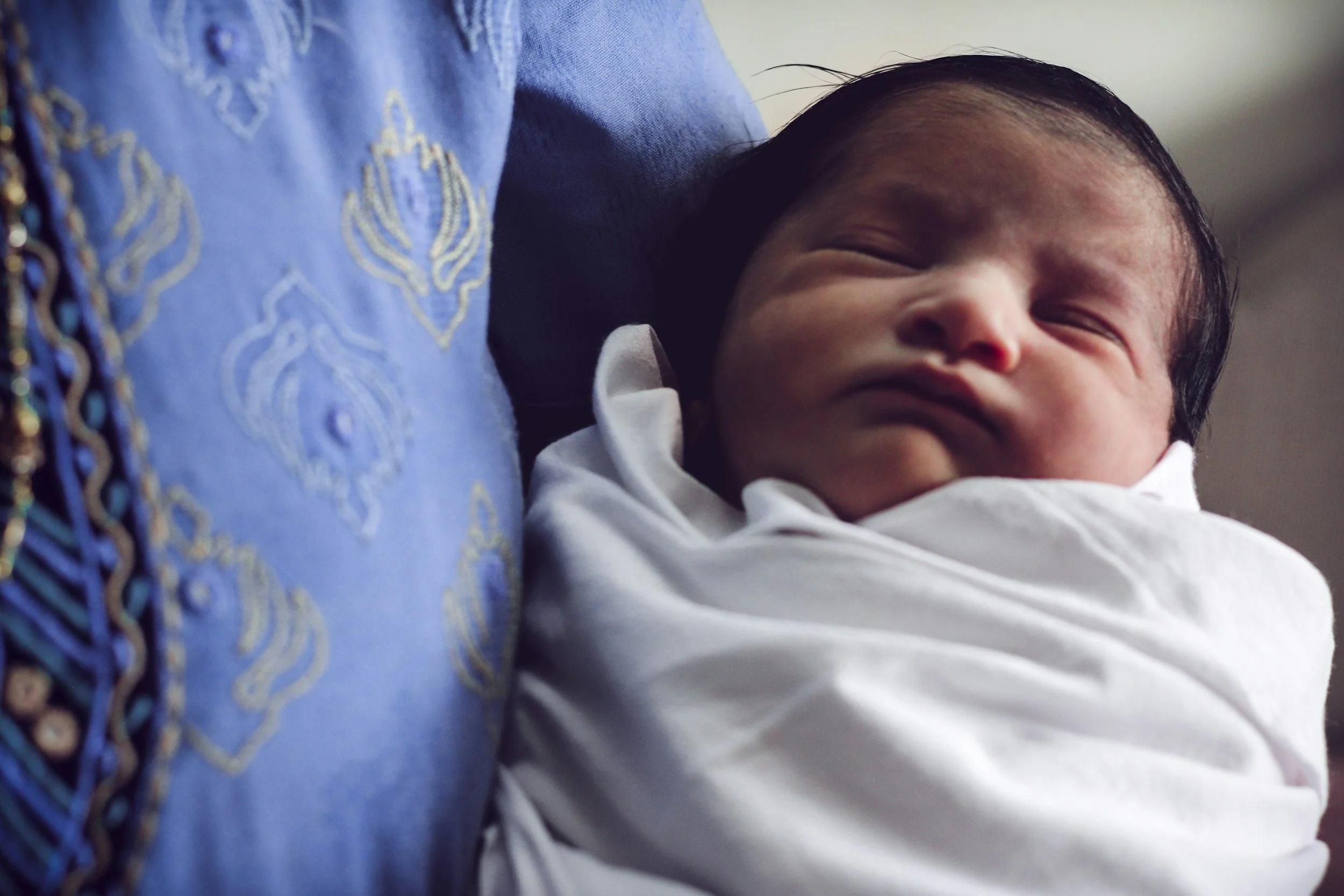
How to creat the Perfect Sleep Environment for Your Newborn.
When it comes to newborn sleep, so much of the focus goes on feeding schedules, sleep training methods, and routines — but one of the most impactful things you can do for your baby's sleep is often completely overlooked: creating the right sleep environment.
Your baby spent nine months in a warm, dark, rhythmic, constantly-moving environment. The transition to the outside world is a sensory shock. By thoughtfully recreating some of those womb conditions in your baby's sleep space, you can help them feel safe, calm, and ready to sleep.
Darkness
Darkness is one of the most powerful sleep triggers for babies and adults alike. Melatonin — the hormone that signals to the body that it's time to sleep — is suppressed by light. Even low levels of light in a room can interfere with melatonin production and make it harder for your baby to settle and stay asleep.
For newborns, a blackout environment is ideal for all sleep, including naps. As your baby grows, darkness remains important — especially for naps, early bedtimes, and during the summer months when evenings are light.
Top Pick: A good blackout blind or blackout curtain liner is one of the most worthwhile investments you can make. Look for ones that cover the entire window without gaps around the edges.
White Noise
White noise is remarkably effective for newborns, and the science backs this up. In the womb, your baby was exposed to a constant background noise — the whooshing of blood flow through the placenta — that was louder than a vacuum cleaner. Silence, by contrast, can actually be jarring.
A consistent, steady white noise (not music or nature sounds, which have too much variation) played at around 60–65 decibels can help mask household sounds that might startle your baby and can make the transition between light and deep sleep stages much smoother.
• Use a dedicated white noise machine rather than a phone or speaker that might disconnect
• Place it away from your baby's head — not in the cot
• Keep it on consistently throughout sleep, not just at the start
Temperature
The ideal room temperature for a sleeping baby is between 16–20°C (61–68°F), with 18°C often cited as the sweet spot. Babies can't regulate their own temperature effectively, which is why overheating is flagged as a risk factor in safe sleep guidelines.
A simple room thermometer is inexpensive and invaluable. Dress your baby in appropriate layers for the temperature, following the TOG guidance on sleeping bags if you use them.
Safe Sleep Basics
Creating a good sleep environment must always go hand-in-hand with safe sleep practices. The current NHS and Lullaby Trust guidance recommends:
• Baby sleeps on their back, on a firm, flat mattress
• No loose bedding, pillows, or soft toys in the sleep space
• Room-sharing (but not bed-sharing) for the first 6 months
• No smoking in the home
The Bassinet or Cot
Choose a firm, flat mattress that fits snugly with no gaps around the edges. Keep the sleep space clear and simple. Cute cot bumpers and pillow sets may look appealing, but they pose a suffocation risk and aren't recommended.
Consistency Is Key
Whichever environment you create, consistency is what helps your baby learn that this space means sleep. Using the same environment for every sleep — darkened room, white noise on, sleeping bag on — creates powerful environmental sleep cues that your baby will come to associate with drifting off.
© Little Dreamer Sleep Consultant | www.littledreamersleepconsultant.com | info@littledreamersleepconsultant.com